Microplastics are no longer just an environmental concern, they are increasingly being found inside the human body. These tiny plastic particles, typically less than 5 millimeters in size, are present in the food we eat, the water we drink and even the air we breathe. As plastic pollution continues to rise globally, scientists are now exploring the hidden health risks of microplastics, particularly their accumulation in human tissues and potential long-term impacts. (Feng et al., 2023)
What Are Microplastics and How Do They Enter the Human Body?
Microplastics are small plastic fragments that either form when larger plastic materials break down over time or are intentionally manufactured for use in consumer products, such as cosmetics, detergents, and packaging. Due to their microscopic size, these particles spread easily through the environment and can enter the human body without notice.
Humans are exposed to microplastics through multiple routes:
- Food: Seafood, salt and packaged or processed foods are common sources of microplastic ingestion.
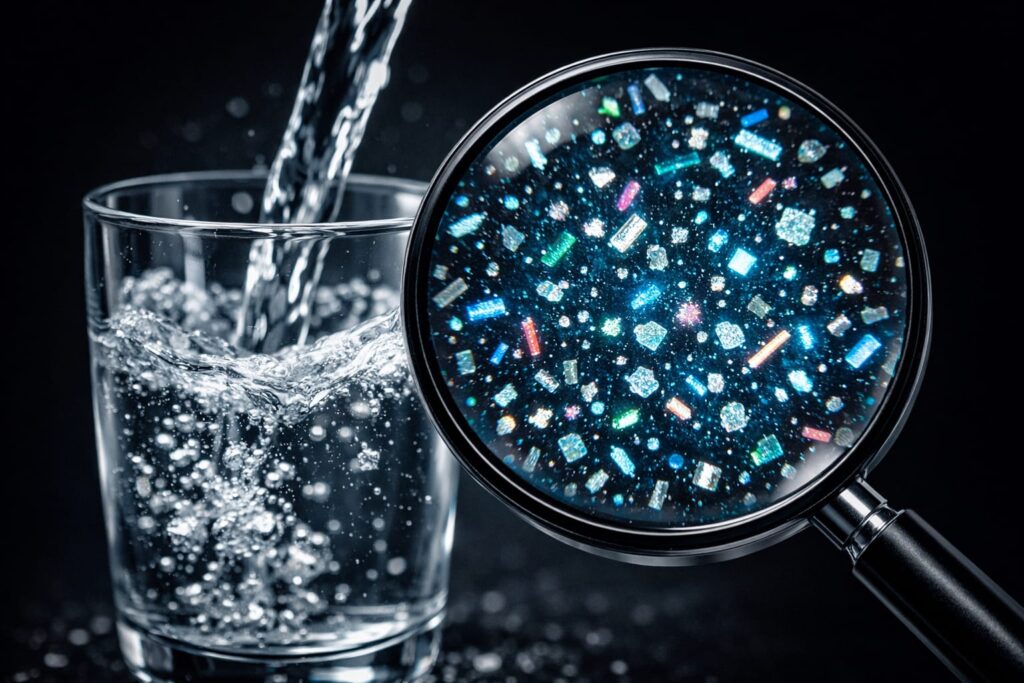
- Water: Both bottled and tap water may contain tiny plastic particles.
- Air: In urban areas, microplastics in dust and pollution can be inhaled.
Once inside the body, these tiny particles can bypass natural defense mechanisms, leading to accumulation in tissues and organs.

Do Microplastics Accumulate in Human Tissues and Organs?
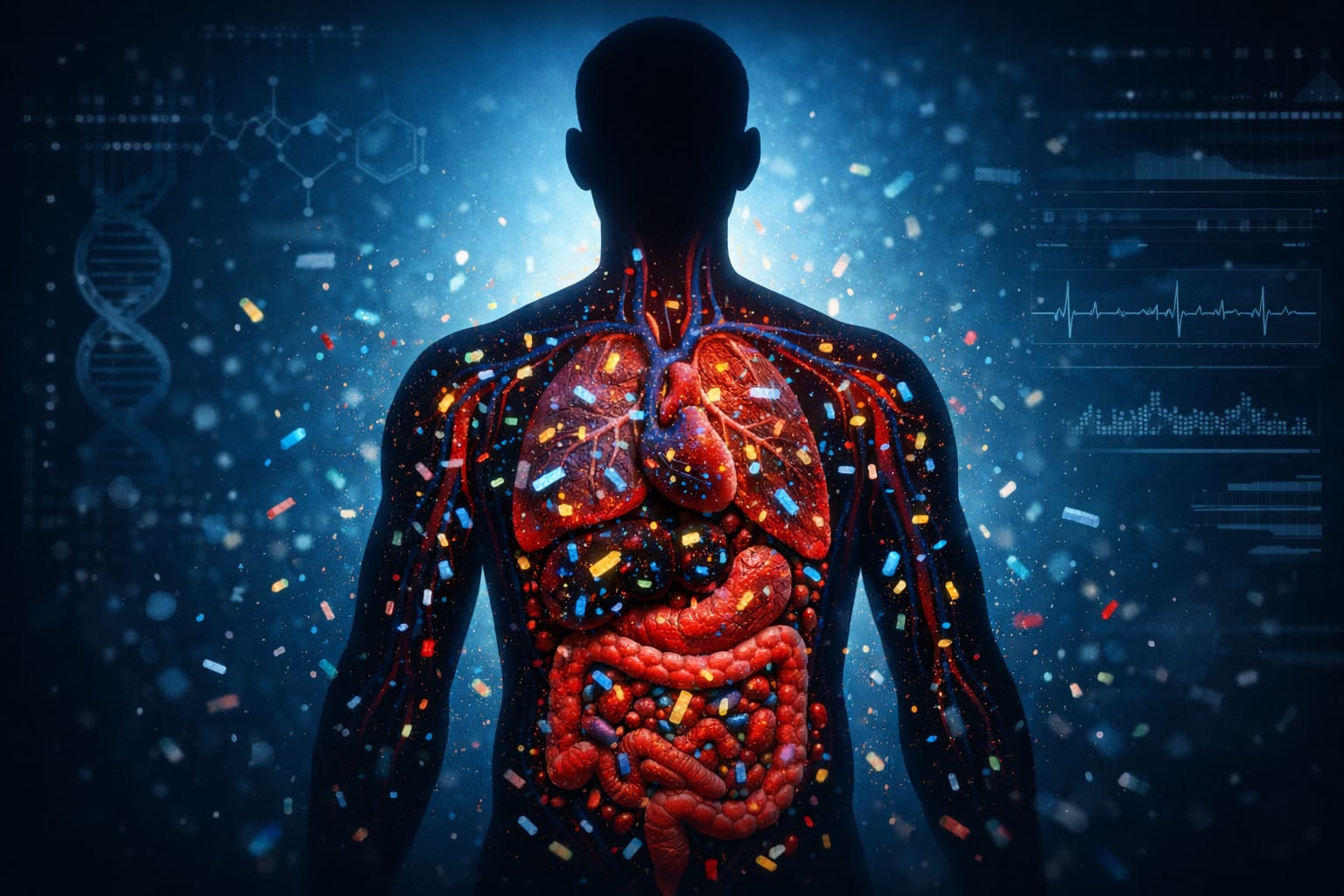
Emerging research suggests that microplastics can build up in various human tissues, including the lungs, digestive tract, bloodstream, liver and kidneys. Alarmingly, microplastics have even been detected in the placenta, raising concerns about fetal exposure and potential developmental effects.
This accumulation is particularly worrying because the body has limited ability to break down or excrete microplastics. Over time, continuous exposure could lead to significant buildup, especially in organs involved in filtration and detoxification, such as the liver and kidneys.
Health Effects of Microplastics: What We Know So Far
Although studies are still ongoing, early research indicates several potential health risks associated with microplastic exposure:
1. Inflammation and Tissue Damage
Microplastics can trigger immune responses when recognized as foreign particles. Chronic inflammation caused by persistent exposure may lead to tissue damage, which could contribute to the development of various health conditions over time.
2. Toxic Chemicals and Hormonal Disruption
Microplastics often carry harmful chemicals, including bisphenol A (BPA), phthalates, and other pollutants absorbed from the environment. These chemicals can leach into the body, potentially disrupting hormones and affecting metabolism, reproductive health, and overall bodily functions.
3. Oxidative Stress and Cellular Damage
Research suggests that microplastics can increase oxidative stress, a process where harmful molecules damage cells, DNA, and proteins. Oxidative stress is linked to chronic inflammation and may contribute to long-term health conditions such as cardiovascular disease and metabolic disorders.
4. Gut Health and Microbiome Imbalance
Microplastics in the digestive system may alter gut bacteria, disrupting the delicate balance of the microbiome. This imbalance can affect digestion, immune function, and overall well-being.
5. Potential Long-Term Health Risks
Although more studies are needed, long-term exposure to microplastics may be associated with metabolic disorders, reproductive issues, and other chronic diseases. Scientists are particularly concerned about vulnerable populations, including children and pregnant women, due to potential developmental and hormonal effects.
Why Microplastics Are a Growing Global Health Concern
Plastic production continues to rise, increasing the amount of microplastics in the environment. Unlike organic materials, plastics do not degrade easily, meaning these particles persist in nature and in the human body.
Microplastics also act as carriers for toxic chemicals and pollutants, which can increase the risks associated with exposure. The combination of persistence, accumulation, and chemical contamination makes microplastics a serious and growing public health concern worldwide.
How to Reduce Microplastic Exposure in Daily Life
While it’s nearly impossible to avoid microplastics entirely, there are practical steps you can take to reduce your exposure:
- Avoid single-use plastics: Reduce use of plastic bottles, bags, and containers.
- Choose fresh, unpackaged foods: Minimize reliance on packaged or processed products.
- Use glass or stainless steel containers: Replace plastic with safer alternatives for storage and cooking.
- Filter drinking water: Consider home filtration systems to reduce microplastic content.
- Avoid heating food in plastic: Heat can release additional chemicals from plastic into food.
Even small lifestyle changes, if practiced consistently, can significantly reduce your daily exposure to microplastics.
Final Thoughts: Protecting Your Health from Microplastics
Microplastics are an invisible but growing threat to human health. Evidence shows they can accumulate in human tissues, potentially leading to inflammation, oxidative stress, hormonal disruption, and long-term health risks.
While research is still ongoing, reducing exposure through conscious lifestyle choices is the best strategy for protecting your health. Supporting sustainable practices and reducing plastic use not only benefits personal health but also helps preserve the environment for future generations.
Understanding the hidden risks of microplastics is the first step toward a healthier, safer, and more sustainable lifestyle.
References
https://www.sciencedirect.com/science/article/pii/S2772985023000418